
We are open 24/7
(508) 837-9464
Back to blog
May 28, 2026

Water-Saving Plumbing Solutions: Expert Plumbing Repair Services in Dighton, MA
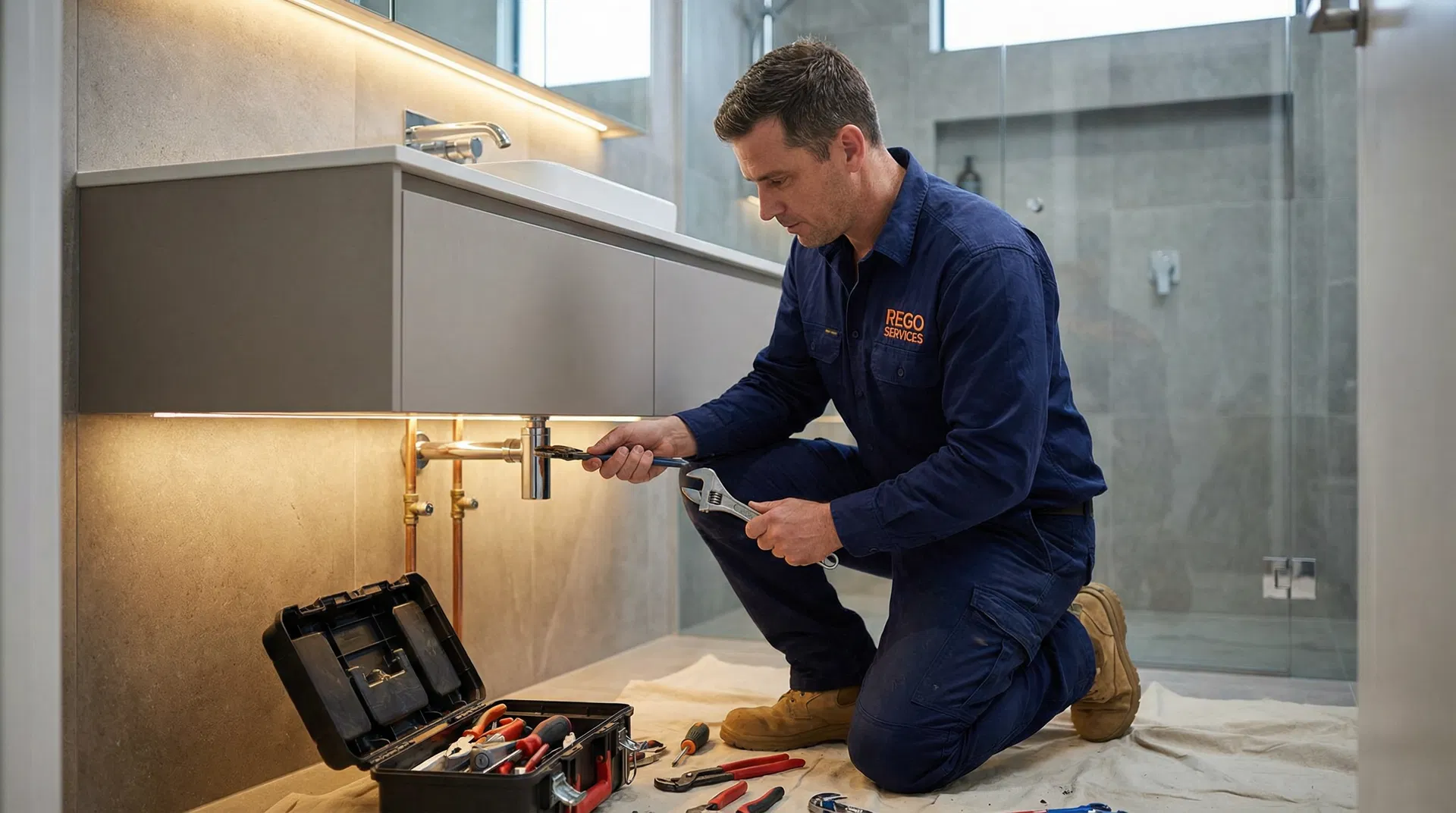
Water-Saving Plumbing Solutions: Expert Plumbing Repair Services in Dighton, MA

Water bills in southeastern Massachusetts have gone up year after year, and for most households, the plumbing system is where the biggest savings can be found. At Rego Services, our plumbing repair services team works with homeowners across Dighton, MA, and the surrounding communities every day. What we see repeatedly is that most homes are losing water and money through problems that are entirely fixable. This guide covers the water-saving solutions that deliver real results. Some are simple repairs. Others are upgrades worth budgeting for. All of them are based on what we actually find in homes throughout Bristol County and Norfolk County. Whether you are a first-time homeowner or have lived in your home for decades, the right fixes can make a measurable difference in your monthly costs. Start With the Leaks You Cannot See in Dighton, MA Hidden leaks are among the costliest plumbing problems a homeowner can face. They develop quietly and cause damage long before they become visible, making early detection one of the most valuable investments you can make in your home. Why Hidden Leaks Go Undetected for So Long Hidden leaks do not announce themselves. They develop slowly at pipe joints, supply connections, or at the base of fixtures. Because the water travels along structural materials before it appears anywhere visible, the source is rarely where the damage shows up. According to the U.S. Environmental Protection Agency, fixing easily corrected household water leaks can save homeowners around 10 percent on their water bills. That saving comes not just from stopping the waste, but from preventing the structural damage that builds up silently over time. Signs You May Have a Hidden Leak Watch for these indicators between service visits: Your water meter moves when every fixture in the house is shut off Monthly water bills keep rising without a change in usage Soft spots, staining, or warping on walls, ceilings, or floors Musty smells inside cabinets or in enclosed spaces The sound of running water when nothing is turned on If any of these apply, a leak detection inspection is the right next step. Our team uses non-invasive tools to locate the source accurately before opening any walls or flooring. Fix Running Toilets Before the Bill Climbs A running toilet is one of the most common sources of water waste in any home. It does not always make noise, and it does not always look broken, but left alone, it quietly adds to your water bill every single day. How Much a Running Toilet Actually Costs You The toilet is the largest water user in most homes. A toilet that runs continuously wastes a significant amount of water every month. The longer the problem goes unaddressed, the higher the impact on your utility bill. That cost increases depending on how badly the internal components have failed. Most Common Causes The most frequent culprit is a worn flapper valve, which is the rubber seal inside the tank that controls water flow into the bowl. Over time, it warps, hardens, or collects mineral deposits that prevent a clean seal. A misadjusted float, a cracked overflow tube, or a failed fill valve can cause the same result. To check for a silent leak, add a few drops of food coloring to the tank and wait 15 minutes without flushing. If color appears in the bowl, the flapper is not sealing properly, and a repair is needed. Upgrade to High-Efficiency Fixtures Older fixtures use more water than modern standards require. Replacing them with WaterSense-certified models cuts consumption without asking anything different of the people using them. Same showers, same handwashing, less water. Low-Flow Showerheads A standard showerhead uses considerably more water per minute than a WaterSense-certified low-flow model. For a household with multiple people showering daily, that difference adds up to meaningful savings over the course of a year. Current models use aerating or laminar-flow technology that maintains strong water pressure. The weak-flow reputation from older versions no longer applies to modern designs. WaterSense-Certified Toilets WaterSense-certified toilets use noticeably less water per flush compared to standard models. Dual-flush designs reduce that further by offering a lighter flush option for liquid waste. Homes with toilets older than 20 years are likely using considerably more water per flush than necessary. Replacing them delivers an immediate and measurable reduction in daily water use. Faucet Aerators A faucet aerator threads onto the tip of your faucet and introduces air into the water stream, reducing flow without any noticeable drop in pressure. Installation requires no tools, and the cost is minimal, making this the most accessible starting point for any household looking to reduce water use right away. Switch to a Tankless Water Heater A tankless water heater addresses two sources of waste at once: the energy spent maintaining a tank of hot water nobody is using, and the cold water that runs down the drain while a household waits for hot water to arrive. Problem With Tank-Style Heaters Traditional tank water heaters keep a large volume of water heated around the clock. That continuous energy draw is called standby heat loss. It contributes to both your energy bill and your overall water consumption. Every time hot water cools in the pipes and someone runs the tap waiting for it to warm up, that water is wasted. What Changes With On-Demand Heating A tankless unit heats water as it flows through the system, only when a tap is open. There is no stored volume to maintain. Hot water reaches the tap faster, which means less cold water gets flushed before it arrives. The unit itself lasts 15 to 20 years, which is longer than the typical lifespan of a standard tank. Is It Worth the Upfront Cost? Tankless units cost more upfront than tank models. However, they last longer, and the energy savings over that period offset the initial investment for most households. Our plumbing company in Dighton, MA, installs and services both types and will give you an honest assessment based on your home's size and hot water demand. Test and Regulate Your Water Pressure Water pressure that exceeds the recommended range does not just feel aggressive. It puts constant mechanical stress on every seal, washer, and fitting in the home. Most homeowners never check it, and most would be surprised by how high it runs. What High Pressure Does to Your Plumbing The recommended range for residential water pressure is 40 to 60 PSI. Many homes in the Dighton area run well above that on municipal supply lines. At excessive pressure levels: Toilet flappers wear out faster than they should Faucet washers degrade ahead of their expected lifespan Water heater relief valves activate more frequently than normal Fixture seals and O-rings fail earlier, leading to repeat leaks According to the EPA's WaterSense program, the average family spends more than $1,000 per year in water costs but can save more than $380 annually by retrofitting with water-efficient fixtures and appliances. Keeping pressure in the correct range helps those savings go further. Installing a Pressure-Reducing Valve A pressure-reducing valve (PRV) mounts at the main supply line entry point and brings pressure down to a safe, consistent level for the entire home. It is a one-time installation that protects every fixture and appliance downstream. If your home's water pressure has never been tested, it is worth adding to your next service call. Inspect Supply Lines Regularly Supply lines are easy to overlook because they are tucked behind toilets, under sinks, and behind appliances. They are under constant pressure, and when they fail, the water loss can be fast and significant. Where Supply Lines Are Most Vulnerable Older rubber-core braided hoses are the most common failure point. They crack, develop corrosion at the fittings, or burst under sustained pressure without giving much visible warning. The connections behind washing machines and under bathroom vanities are the locations we find most often when responding to emergency plumbing service calls throughout Dighton and the surrounding area. What a Preventive Inspection Covers During an inspection, our plumbers check every accessible supply line for the following: Visible wear, cracking, or bulging along the hose body Corrosion or mineral buildup at the fittings and connections Proper function of shutoff valves, which can seize if left untouched for years Signs of slow leaking around connection points that may not yet be visible elsewhere Replacing an aging supply line costs very little and removes a genuine flood risk from your home. When a Repair Becomes an Emergency Even a well-maintained home can face a sudden plumbing failure. A pipe that held through many winters can give out unexpectedly, and a supply line can fail overnight. Knowing how to respond in those first minutes matters as much as any preventive measure. What Counts as an Emergency Situations that require immediate attention include burst or frozen pipes, sewage backup inside the home, a failed supply line causing active flooding, no water supply to the entire house, and any gas smell near water heater connections. In each of these cases, shutting off the main water supply valve is the right first move while waiting for a licensed plumber to arrive. Staying Ready Before It Happens The best preparation is knowing where your main shutoff valve is and confirming it operates correctly. Many homeowners discover their home is seized or difficult to close only when they need it most. Our team checks shutoff valve function during routine visits and can replace a valve that is no longer reliable, helping you stay prepared before an emergency plumbing situation develops. Why Homeowners Trust Rego Services Electric Inc for Plumbing Services in Dighton, MA Rego Services has served southeastern Massachusetts since 2018. What started as a family-owned electrical operation has grown into a trusted plumbing company in Dighton, MA, offering plumbing repair services, HVAC, and electrical work to homeowners across the region. Licensed, Local, and Accountable Every plumber at Rego Services holds a license and is fully insured. We know the building stock, water systems, and seasonal conditions specific to this part of the state. Our recommendations reflect what works in homes like yours in this region, not generic advice pulled from a national playbook. What Homeowners Can Expect From Rego Services Electric Inc Upfront pricing: The cost is clear before work begins, with no surprises after Quality materials: We use parts built to last, and we stand behind the work Honest assessments: We tell you what your home needs, not what costs the most Responsive scheduling: Same-day availability when the schedule allows Schedule Your Service With Rego Services Today For routine plumbing repair services, scheduled maintenance, or emergency plumbing services anywhere in Dighton, MA, or the surrounding area, Rego Services is ready to help. Call us at (508) 837-9464 or send us an email at duane@rego-services.com. We are available 24 hours a day, 7 days a week.

Water bills in southeastern Massachusetts have gone up year after year, and for most households, the plumbing system is where the biggest savings can be found. At Rego Services, our plumbing repair services team works with homeowners across Dighton, MA, and the surrounding communities every day. What we see repeatedly is that most homes are losing water and money through problems that are entirely fixable.

This guide covers the water-saving solutions that deliver real results. Some are simple repairs. Others are upgrades worth budgeting for. All of them are based on what we actually find in homes throughout Bristol County and Norfolk County. Whether you are a first-time homeowner or have lived in your home for decades, the right fixes can make a measurable difference in your monthly costs.

Start With the Leaks You Cannot See in Dighton, MA

Hidden leaks are among the costliest plumbing problems a homeowner can face. They develop quietly and cause damage long before they become visible, making early detection one of the most valuable investments you can make in your home.

Why Hidden Leaks Go Undetected for So Long

Hidden leaks do not announce themselves. They develop slowly at pipe joints, supply connections, or at the base of fixtures. Because the water travels along structural materials before it appears anywhere visible, the source is rarely where the damage shows up.

According to the U.S. Environmental Protection Agency, fixing easily corrected household water leaks can save homeowners around 10 percent on their water bills. That saving comes not just from stopping the waste, but from preventing the structural damage that builds up silently over time.

Signs You May Have a Hidden Leak

Watch for these indicators between service visits:

  • Your water meter moves when every fixture in the house is shut off
  • Monthly water bills keep rising without a change in usage
  • Soft spots, staining, or warping on walls, ceilings, or floors
  • Musty smells inside cabinets or in enclosed spaces
  • The sound of running water when nothing is turned on

If any of these apply, a leak detection inspection is the right next step. Our team uses non-invasive tools to locate the source accurately before opening any walls or flooring.

Fix Running Toilets Before the Bill Climbs

A running toilet is one of the most common sources of water waste in any home. It does not always make noise, and it does not always look broken, but left alone, it quietly adds to your water bill every single day.

How Much a Running Toilet Actually Costs You

The toilet is the largest water user in most homes. A toilet that runs continuously wastes a significant amount of water every month. The longer the problem goes unaddressed, the higher the impact on your utility bill. That cost increases depending on how badly the internal components have failed.

Most Common Causes

The most frequent culprit is a worn flapper valve, which is the rubber seal inside the tank that controls water flow into the bowl. Over time, it warps, hardens, or collects mineral deposits that prevent a clean seal. A misadjusted float, a cracked overflow tube, or a failed fill valve can cause the same result.

To check for a silent leak, add a few drops of food coloring to the tank and wait 15 minutes without flushing. If color appears in the bowl, the flapper is not sealing properly, and a repair is needed.

Upgrade to High-Efficiency Fixtures

Older fixtures use more water than modern standards require. Replacing them with WaterSense-certified models cuts consumption without asking anything different of the people using them. Same showers, same handwashing, less water.

Low-Flow Showerheads

A standard showerhead uses considerably more water per minute than a WaterSense-certified low-flow model. For a household with multiple people showering daily, that difference adds up to meaningful savings over the course of a year. Current models use aerating or laminar-flow technology that maintains strong water pressure. The weak-flow reputation from older versions no longer applies to modern designs.

WaterSense-Certified Toilets

WaterSense-certified toilets use noticeably less water per flush compared to standard models. Dual-flush designs reduce that further by offering a lighter flush option for liquid waste. Homes with toilets older than 20 years are likely using considerably more water per flush than necessary. Replacing them delivers an immediate and measurable reduction in daily water use.

Faucet Aerators

A faucet aerator threads onto the tip of your faucet and introduces air into the water stream, reducing flow without any noticeable drop in pressure. Installation requires no tools, and the cost is minimal, making this the most accessible starting point for any household looking to reduce water use right away.

Switch to a Tankless Water Heater

A tankless water heater addresses two sources of waste at once: the energy spent maintaining a tank of hot water nobody is using, and the cold water that runs down the drain while a household waits for hot water to arrive.

Problem With Tank-Style Heaters

Traditional tank water heaters keep a large volume of water heated around the clock. That continuous energy draw is called standby heat loss. It contributes to both your energy bill and your overall water consumption. Every time hot water cools in the pipes and someone runs the tap waiting for it to warm up, that water is wasted.

What Changes With On-Demand Heating

A tankless unit heats water as it flows through the system, only when a tap is open. There is no stored volume to maintain. Hot water reaches the tap faster, which means less cold water gets flushed before it arrives. The unit itself lasts 15 to 20 years, which is longer than the typical lifespan of a standard tank.

Is It Worth the Upfront Cost?

Tankless units cost more upfront than tank models. However, they last longer, and the energy savings over that period offset the initial investment for most households. Our plumbing company in Dighton, MA, installs and services both types and will give you an honest assessment based on your home's size and hot water demand.

Test and Regulate Your Water Pressure

Water pressure that exceeds the recommended range does not just feel aggressive. It puts constant mechanical stress on every seal, washer, and fitting in the home. Most homeowners never check it, and most would be surprised by how high it runs.

What High Pressure Does to Your Plumbing

The recommended range for residential water pressure is 40 to 60 PSI. Many homes in the Dighton area run well above that on municipal supply lines. At excessive pressure levels:

  • Toilet flappers wear out faster than they should
  • Faucet washers degrade ahead of their expected lifespan
  • Water heater relief valves activate more frequently than normal
  • Fixture seals and O-rings fail earlier, leading to repeat leaks

According to the EPA's WaterSense program, the average family spends more than $1,000 per year in water costs but can save more than $380 annually by retrofitting with water-efficient fixtures and appliances. Keeping pressure in the correct range helps those savings go further.

Installing a Pressure-Reducing Valve

A pressure-reducing valve (PRV) mounts at the main supply line entry point and brings pressure down to a safe, consistent level for the entire home. It is a one-time installation that protects every fixture and appliance downstream. If your home's water pressure has never been tested, it is worth adding to your next service call.

Inspect Supply Lines Regularly

Supply lines are easy to overlook because they are tucked behind toilets, under sinks, and behind appliances. They are under constant pressure, and when they fail, the water loss can be fast and significant.

Where Supply Lines Are Most Vulnerable

Older rubber-core braided hoses are the most common failure point. They crack, develop corrosion at the fittings, or burst under sustained pressure without giving much visible warning. The connections behind washing machines and under bathroom vanities are the locations we find most often when responding to emergency plumbing service calls throughout Dighton and the surrounding area.

What a Preventive Inspection Covers

During an inspection, our plumbers check every accessible supply line for the following:

  • Visible wear, cracking, or bulging along the hose body
  • Corrosion or mineral buildup at the fittings and connections
  • Proper function of shutoff valves, which can seize if left untouched for years
  • Signs of slow leaking around connection points that may not yet be visible elsewhere

Replacing an aging supply line costs very little and removes a genuine flood risk from your home.

When a Repair Becomes an Emergency

Even a well-maintained home can face a sudden plumbing failure. A pipe that held through many winters can give out unexpectedly, and a supply line can fail overnight. Knowing how to respond in those first minutes matters as much as any preventive measure.

What Counts as an Emergency

Situations that require immediate attention include burst or frozen pipes, sewage backup inside the home, a failed supply line causing active flooding, no water supply to the entire house, and any gas smell near water heater connections. In each of these cases, shutting off the main water supply valve is the right first move while waiting for a licensed plumber to arrive.

Staying Ready Before It Happens

The best preparation is knowing where your main shutoff valve is and confirming it operates correctly. Many homeowners discover their home is seized or difficult to close only when they need it most. Our team checks shutoff valve function during routine visits and can replace a valve that is no longer reliable, helping you stay prepared before an emergency plumbing situation develops.

Why Homeowners Trust Rego Services Electric Inc for Plumbing Services in Dighton, MA

Rego Services has served southeastern Massachusetts since 2018. What started as a family-owned electrical operation has grown into a trusted plumbing company in Dighton, MA, offering plumbing repair services, HVAC, and electrical work to homeowners across the region.

Licensed, Local, and Accountable

Every plumber at Rego Services holds a license and is fully insured. We know the building stock, water systems, and seasonal conditions specific to this part of the state. Our recommendations reflect what works in homes like yours in this region, not generic advice pulled from a national playbook.

What Homeowners Can Expect From Rego Services Electric Inc

Upfront pricing: The cost is clear before work begins, with no surprises after

Quality materials: We use parts built to last, and we stand behind the work

Honest assessments: We tell you what your home needs, not what costs the most

Responsive scheduling: Same-day availability when the schedule allows

Schedule Your Service With Rego Services Today

For routine plumbing repair services, scheduled maintenance, or emergency plumbing services anywhere in Dighton, MA, or the surrounding area, Rego Services is ready to help. Call us at (508) 837-9464 or send us an email at duane@rego-services.com. We are available 24 hours a day, 7 days a week.